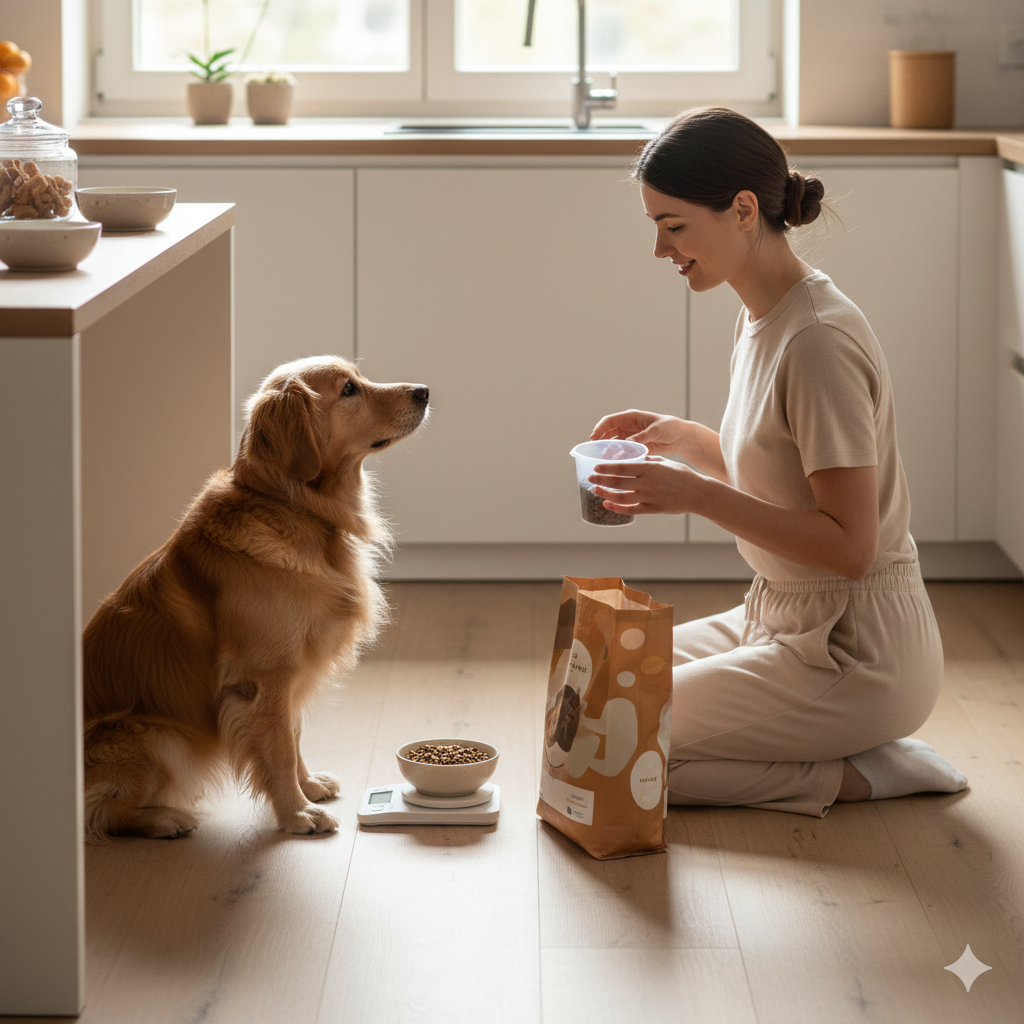
Feeding your pet seems simple. Fill the bowl, watch them eat, repeat. But portion control is one of the most misunderstood parts of pet care.
Overfeeding is one of the leading causes of obesity in dogs and cats, while underfeeding can lead to nutritional deficiencies, low energy, and long-term health issues. Many loving pet owners are accidentally feeding the wrong amount without realizing it.
Let’s break down the most common portion mistakes—and how to fix them.
Why Portion Size Matters More Than You Think
Just like humans, pets need the right balance of calories and nutrients.
- Too much food can lead to weight gain, joint stress, heart disease, and diabetes
- Too little food can weaken the immune system and reduce muscle mass
Portion needs vary based on age, breed, activity level, weight, health conditions, and the type of food. There is no one-size-fits-all amount.
Common Portion Mistakes Pet Owners Make
1. Relying Only on the Back of the Bag
Pet food labels provide general feeding guidelines, but these are averages. An active dog and a senior dog of the same weight may need very different calorie amounts.
2. Free Feeding All Day
Leaving food out all day makes it difficult to track intake and often leads to overeating. Scheduled meals help regulate appetite and make health changes easier to spot.
3. Ignoring Treat Calories
Treats, dental chews, and table scraps add up quickly. Treats should make up no more than 10% of daily calories.
4. Not Adjusting for Life Stages
Puppies and kittens need more calories for growth, while senior pets usually need fewer calories due to slower metabolism.
5. Estimating Instead of Measuring
Using random cups often leads to overfeeding. Measuring cups or kitchen scales provide far more accuracy.
Portion Needs by Life Stage
| Life Stage | Calorie Needs | Feeding Frequency | Special Considerations |
|---|---|---|---|
| Puppy / Kitten | High | 3–4 meals per day | Growth and development |
| Adult | Moderate | 2 meals per day | Weight maintenance |
| Senior | Lower | 2 smaller meals | Joint & metabolism support |
Active vs Less Active Pets
| Activity Level | Energy Requirement | Portion Adjustment | Risk if Overfed |
|---|---|---|---|
| Highly Active | High | Increase slightly | Weight gain if activity drops |
| Moderately Active | Moderate | Standard portion | Gradual weight gain |
| Sedentary | Low | Reduce portions | Obesity and joint strain |
Signs You May Be Overfeeding
- Weight gain
- Difficulty feeling ribs
- Low energy
- Heavy breathing after mild activity
- Increased begging
Signs You May Be Underfeeding
- Visible ribs or spine
- Dull coat
- Low energy
- Muscle loss
How to Determine the Right Portion
- Use feeding guides as a starting point
- Weigh your pet regularly
- Monitor body condition
- Adjust portions gradually
- Consult a veterinarian
💬 Customer Reviews
- 90% readers noticed fewer breakouts after regular night cleansing
- Most helpful insight: pollution sticks even indoors
- Highly relevant for Indian urban lifestyles
I skipped cleansing on tired days. This article made me realise why my skin stayed congested.
Scientifically accurate and practical. Cleansing is hygiene, not vanity.
Never thought pollution mattered indoors. Simple habit, big difference.