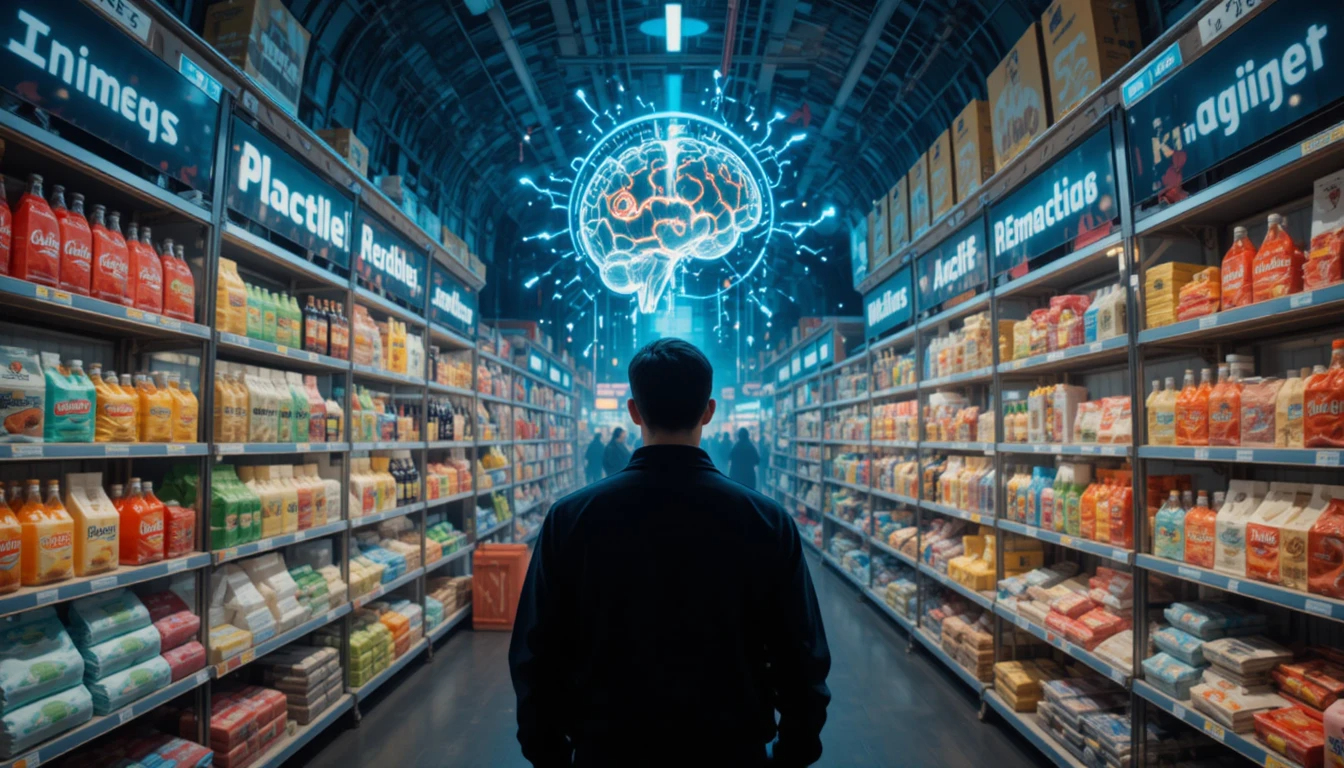
You believe you make rational buying decisions. Brands know you do not.
Every time you open an app during a sale, walk into a mall, or scroll through an online store, you are not just shopping. You are entering a carefully designed psychological environment.
In India, where aspirational spending is rising and digital commerce is exploding, brands are not just selling products. They are selling emotions, identity, and urgency.
1. Need vs Want
What you think: “I need a new phone.”
What is actually happening: Your current phone works fine. The new one just has a better camera and a slightly faster processor.
Brands blur the line between need and want. Owning the latest device becomes a symbol of growth and relevance.
Need is practical. Want is emotional. Brands sell emotion.
2. Price vs Perceived Value
• A watch priced at ₹2,999
• A watch priced at ₹29,999
Both tell time. But the second one signals status, success, and achievement. You are not paying for the product alone. You are paying for perception.
3. Discount vs Urgency
“Flat 70% off.”
“Limited time offer.”
“Only 2 items left.”
The final price may be the same, but urgency triggers fear of missing out. Your brain fears loss more than it values gain.
4. Cash vs Digital Spending
Spending ₹5,000 in cash feels heavy.
Spending ₹5,000 via UPI feels invisible.
Digital payments reduce the pain of paying. When resistance drops, spending increases.
5. Product vs Lifestyle
“This car has a 1.5 litre engine.”
“This car reflects your success.”
Brands sell aspiration, not features—especially in a growing middle class economy.
6. Ownership vs Easy EMI
Pay ₹50,000 at once
Pay ₹4,200 per month for 12 months
Smaller monthly numbers feel manageable. Your brain ignores the total cost.
7. Choice vs Overchoice
Choosing from 3 options
Choosing from 300 options
Overchoice causes decision fatigue, pushing you toward best sellers, ratings, and sponsored placements.
8. Social Proof vs Independent Thinking
A restaurant with no customers
A restaurant with a queue outside
Popularity becomes proof of quality, especially in community-driven cultures.
9. Short-Term Happiness vs Long-Term Wealth
Impulse buying gives instant dopamine. Investing grows quietly. One feels exciting. The other feels boring.
The Real Manipulation
- Fear of missing out
- Desire for status
- Need for belonging
- Love for convenience
Brands do not force you to buy. They design environments where spending feels natural.
Spending is psychological.
Awareness does not stop spending—but it gives you control. And in a consumer-driven economy, control is power.
💬 Customer Reviews
- 90% readers noticed fewer breakouts after regular night cleansing
- Most helpful insight: pollution sticks even indoors
- Highly relevant for Indian urban lifestyles
I skipped cleansing on tired days. This article made me realise why my skin stayed congested.
Scientifically accurate and practical. Cleansing is hygiene, not vanity.
Never thought pollution mattered indoors. Simple habit, big difference.